2,000+ Happy Customers

+234 5-Star Reviews

Yes.. Two Australians Invented the Modern DAW. In a Sydney Garage.

  • By Kuren

Published: Friday, July 3, 2026

You clicked because you didn't quite believe it. Fair.


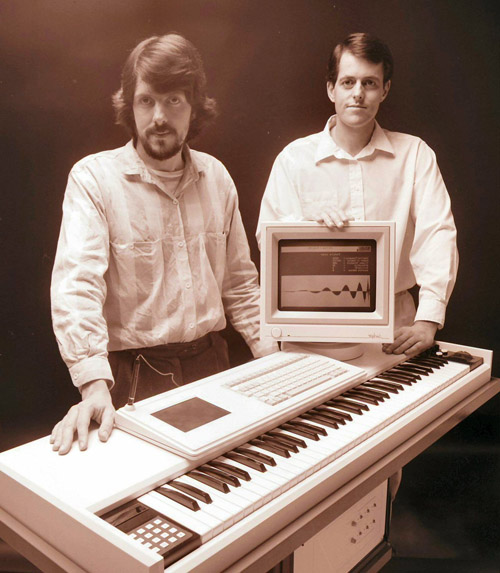
But it's true, and it's not even a stretch. Nearly everything you do in a modern DAW dragging a sample onto a track, editing a waveform, arranging clips along a timeline traces back to one machine, built by two guys in a garage in Sydney in 1979.


Not America. Not Germany. 


Not a lab at some university with infinite funding. A garage. In Australia.


This is the story of the Fairlight CMI, and once you know it, you don't hear modern music the same way again.

The Origin Story

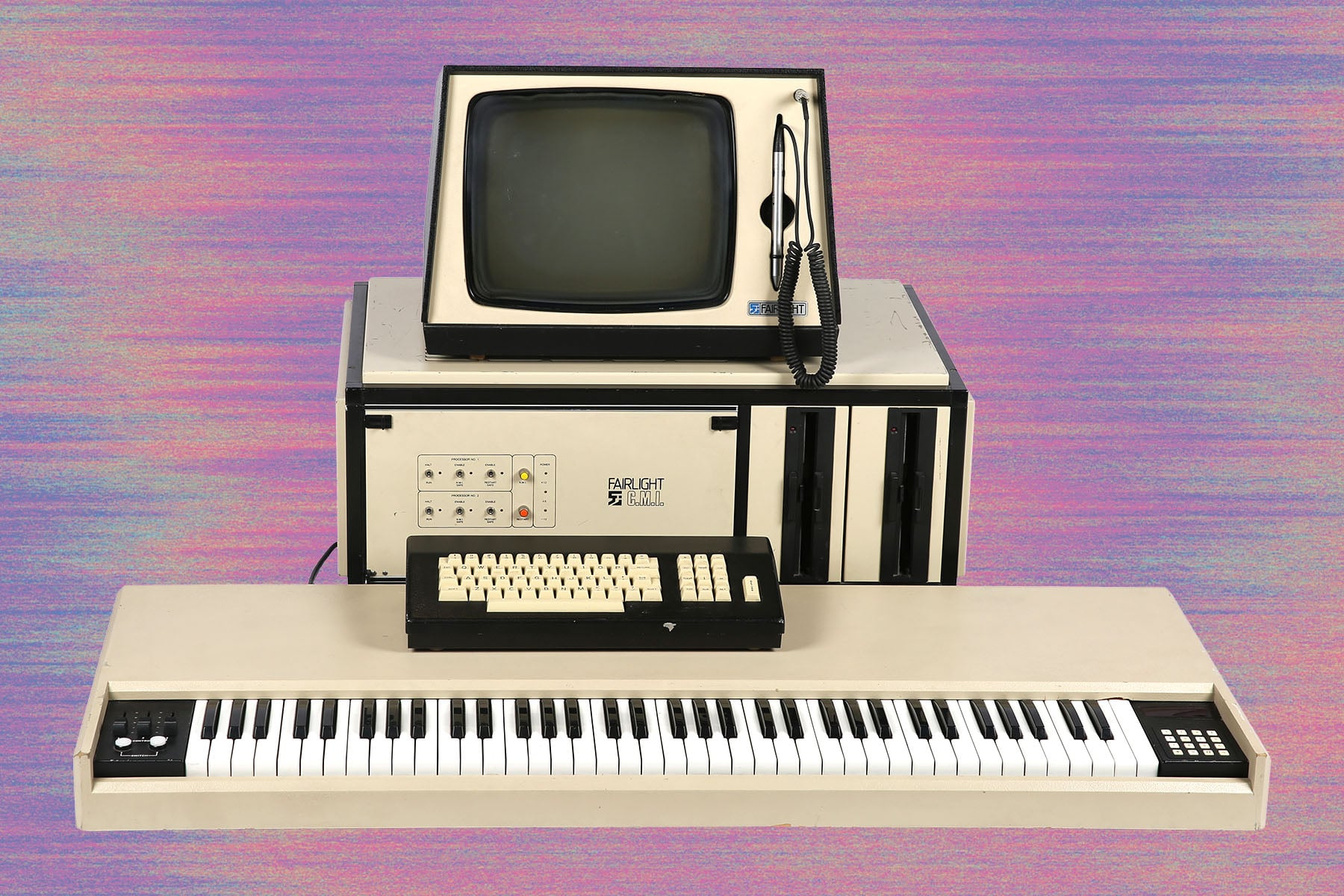
In 1979, Kim Ryrie and Peter Vogel released the Fairlight CMI — Computer Musical Instrument. To understand why it mattered, you have to understand what "sampling" meant before it existed: basically nothing.


If you wanted a real instrument's sound in your track, your best option was a Mellotron a keyboard that triggered pre-recorded strips of tape. Clever, but fixed. You couldn't take any sound from the world, capture it, and reshape it. That idea didn't exist yet.

The Fairlight made it exist.


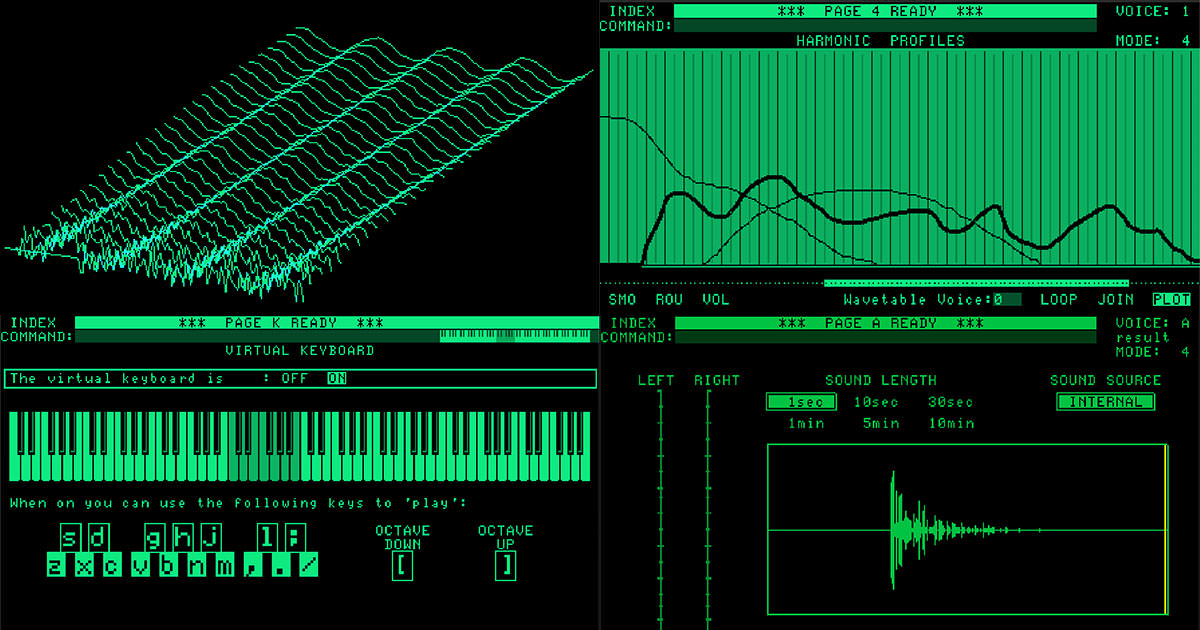
For the first time, you could take a real sound a voice, a smashed bottle, an orchestra digitize it, and then edit it on a screen. And the way you edited it was almost science fiction for 1979: a light pen. 


You literally drew and redrew the waveform on a glowing CRT monitor with a pen in your hand. Producers who'd spent their lives splicing tape with a razor blade were suddenly sculpting sound with light.


But here's what most people miss. The Fairlight didn't introduce one breakthrough. It stacked three on top of each other, all at once:

Explore Premium Sample Packs

  • Digital Sampling

    Capturing any real-world sound.

  • Waveform Editing

    Reshaping that sound visually.

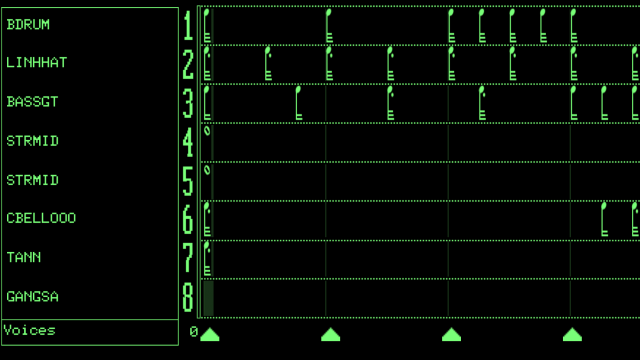
  • The Page R Sequencer 

    A software step-sequencer and timeline.

That third one is the quiet giant. Page R became the blueprint for every DAW timeline and step sequencer you have ever touched. Open Ableton, look at the arrangement view you are looking at a direct descendant of Page R.


None of this was cheap. A Fairlight cost about as much as a house. Which meant only the untouchable elite could get one the artists with access to any studio, any gear on the planet. And they all wanted this one. Stevie Wonder. Herbie Hancock. Kate Bush. Peter Gabriel, who became such an evangelist he pushed it onto everyone around him. They understood instantly that it was a different category of tool.


Then the sounds escaped into the culture. The Fairlight's built-in library its factory presets became foundational samples in their own right. That massive orchestral stab, ORCH5, went on to become one of the most recognisable sounds in hip-hop and pop for the next decade. A sound designed in a Sydney garage ended up as raw DNA for entire genres.


And the best part the part that still gets me every time:


Kim Ryrie thought sampling was cheating.


They weren't trying to invent the future. They were trying to build a digital instrument that could convincingly imitate real pianos and strings. Sampling was almost a byproduct a compromise they were half-embarrassed by. They set out to fake a grand piano and accidentally invented the entire foundation of modern music production.

So.. what about today?

So every time you drag a sample into your project, edit a waveform, or move a clip along a timeline, you're using something invented in a garage in Australia by two engineers who didn't fully realise what they'd done.


But the Fairlight's real magic was never the technology. It was access. It gave a tiny handful of artists sounds that nobody else on earth had and that's what set their records apart. That's the whole reason they wanted it.


And that hasn't changed. Not even slightly. The gear is cheaper and everyone's in the box now, but the game is identical: the producers who stand out are the ones playing with sounds nobody else is using.


That's the whole reason Dubnation exists and yeah, we're carrying that Australian torch on purpose. I build the modern version of what came out of that Sydney garage: sample packs and Serum 2 presets designed to hand you sounds most producers will never have. Not another 5GB dump of the same loops. 


The specific, mix-ready, made-to-cut-through sounds that become your signature.


The Fairlight gave Kate Bush her edge. Here's yours.

Grab the sounds no one else is using

What our customers are saying..

Hurry up! Sale 32%. Sale ends in:

00
Days
00
Hrs
00
Mins
00
Secs

Over 2800 Premium Samples

300+ Serum 2 Presets

Inspired by Skrillex, Hamdi, Peekaboo

UK Garage, UK Dubstep, UK Bass

Claim Offer